

Let’s find your next opportunity
AI Assistant: {{ chat.assistant.message }}
{{meta?.totalCount}}
results found
Sort By
{{ job.job_posting_title
}}
{{ job.job_posting_title }}
{{ job.is_cms_job ? (job.cities.split(';').length > 1 ? 'Various locations' : job.location_mappings[0]) : (job.location_mappings.length > 1 ? 'Various locations' : job.location_mappings[0]) }}
{{ job.time_type }}

We are sorry there are no jobs that match your exact criteria. Try a new search term, or use the filters to continue browsing for available opportunities.
Suggested roles matches
{{ job.title }}
{{ job.title }}
{{ [job.cities[0], job.regions[0], job.countries[0]].join(', ') }}
Various locations
We are sorry there are no jobs that match your exact criteria. Try a new search term, or use the filters to continue browsing for available opportunities.
Let’s find your next opportunity
{{ job.job_posting_title
}}
{{ job.job_posting_title }}
{{ job.is_cms_job ? (job.cities.split(';').length > 1 ? 'Various locations' : job.location_mappings[0]) : (job.location_mappings.length > 1 ? 'Various locations' : job.location_mappings[0]) }}
Theme parks should spark joy for everyone who enters their gates. Yet for millions of visitors with disabilities, accessing attractions and navigating spaces can present significant barriers. At AtkinsRéalis, we believe accessibility isn't just good practice - it's fundamental to creating exceptional experiences.
Meet Bahar Jaferzadeh, our Regional Creative Design Lead, who has championed accessible design throughout her career. Her work on Six Flags Qiddiya demonstrates how thoughtful design can create spaces where everyone belongs.

Meet Bahar Jaferzadeh: Designing with purpose
Bahar joined AtkinsRéalis in February 2015 as an architect, beginning her journey in rail design before transitioning to airports and eventually finding her passion in theme parks. For over five years, she has contributed to Six Flags Qiddiya, one of the region's most ambitious entertainment developments.
"My career progression across different sectors has given me a holistic understanding of how accessibility can transform spaces," Bahar reflects. Today, she leads multidisciplinary teams that balance technical excellence, creativity, and inclusivity across world-class entertainment destinations.
Understanding true accessibility
For Bahar, accessibility extends far beyond compliance checklists. "Accessibility means empowerment through design - removing physical, sensory and digital barriers so everyone can participate fully," she explains.
This philosophy challenges a common misconception that accessible features only benefit a small group. Studies consistently show accessible theme parks see a 15-20% increase in attendance from families with members who have disabilities. More importantly, accessible design improvements boost overall customer satisfaction scores by up to 25%.
Bahar emphasises that accessibility should be "embedded at the earliest stages of design so it becomes a natural part of the project's DNA rather than an afterthought." This approach creates environments that enhance usability and comfort for everyone.
Six Flags Qiddiya: Accessibility in action
The Six Flags Qiddiya project showcases how accessible theme parks can set new standards for today’s entertainment industry. Bahar and her team implemented comprehensive accessibility features from the ground up.
Key accessible attractions and design elements include:
- Step-free routes throughout the park ensuring wheelchair accessibility
- Inclusive rides designed for visitors with varying mobility needs
- Sensory-friendly zones providing respite from overwhelming stimuli
- Clear wayfinding systems supporting navigation for all visitors
- Digital accessibility ensuring online platforms serve diverse user needs
This dual focus on physical and digital accessibility creates seamless experiences at every touchpoint. Parks with such features report a 30% higher rate of repeat visits among diverse visitor groups, proving that accessibility drives both social impact and business success.
Innovation shaping the future
Theme park accessibility continues evolving through smart technologies and adaptive design. "Innovation is reshaping accessibility through smart technologies, adaptive design, and inclusive policies," Bahar notes.
At Six Flags Qiddiya, accessibility wasn't retrofitted, it drove the overall guest experience design. This forward-thinking approach demonstrates how accessible features can improve safety and ease of navigation for all visitors.
Building inclusion from the ground up
Bahar's vision extends beyond individual projects to workplace culture. She advocates for employee resource groups and listening without assumptions, recognising that "invisible disabilities and unique needs are just as important to address as visible ones."
Her message to those hesitant to share their accessibility needs is clear: "Your voice matters, and it helps us create better spaces for everyone."
The future of theme park design lies in recognising accessibility not as an obligation, but as an opportunity to create extraordinary experiences for all. Through projects like Six Flags Qiddiya, AtkinsRéalis continues demonstrating how technical excellence combined with human-centred design shapes a more embracing entertainment landscape.
Ready to be part of this transformative work? Learn more about joining our team and help us build accessible experiences that empower everyone.
Related blogs

How Belal Deiranieh is shaping Middle East transportation.
Transportation is at the heart of the Middle East’s transformation. Discover how Belal Deiranieh will help drive the next phase of growth and connectivity at AtkinsRéalis.
“Visibility changes perception”: Milena on leadership, confidence, and her journey from London to Dubai
Discover Milena’s path to becoming one of CIBSE’s youngest Fellows, read how visibility and representation shaped her leadership philosophy.
Creating inclusive workspaces through physical accessibility
Learn practical strategies for building physically accessible workspaces that help all employees thrive, from sensory-friendly design to flexible communication.
How to become a structural engineer in the UAE
If you’re wondering how to become a structural engineer in the UAE, look no further. From skills and regional benefits to progression opportunities, here’s how to take the next step in your career.
Think you know civil engineering? Let’s bust some myths
Think civil engineering is all about concrete and construction? Think again. Discover how today’s civil engineers at AtkinsRéalis are shaping the future with innovation, collaboration, and impact.

Life as a Planning Engineer at AtkinsRéalis: Samira's Journey
Discover Samira’s inspiring career as a Planning Engineer at AtkinsRéalis. Learn about the company's culture and opportunities for growth.
Exploring engineering jobs in the UAE with AtkinsRéalis
Across a range of engineering disciplines, AtkinsRéalis offers diverse opportunities in the UAE.
Journey of a talent acquisition maverick, Reena Sequeira
Learn more about Reena Sequira, Senior Talent Acquisition Partner at AtkinsRéalis.
Fahad Azmi: Leading with innovation
Discover how Fahad Azmi, a seasoned project manager, leverages innovation and leadership to manage Dubai’s iconic Imperial Avenue project, driving progress.
Celebrating working mothers in the Middle East
Discover how AtkinsRéalis supports working mothers with flexibility, maternity leave, and inclusive culture. Explore career opportunities today.
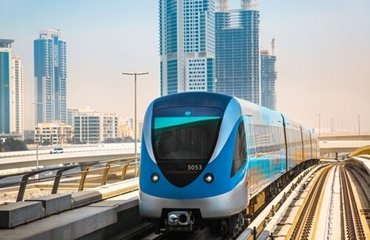
How engineers are shaping mega transportation projects in the UAE
At AtkinsRéalis, our engineering roles are having a real impact. Here’s a look at the part these engineers play in shaping the future of mobility.
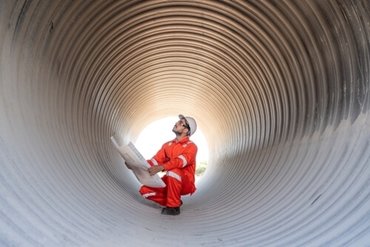
Top skills needed for mechanical engineering jobs in the UAE
Here, we look closer at the top skills needed for success as a mechanical engineer.
Related jobs
Everyone belongs
We empower each individual to shine and contribute to our collective impact. We believe in the power of unique perspectives. It’s how we’re engineering a better future every single day.