

Let’s find your next opportunity
AI Assistant: {{ chat.assistant.message }}
{{meta?.totalCount}}
results found
Sort By
{{ job.job_posting_title
}}
{{ job.job_posting_title }}
{{ job.is_cms_job ? (job.cities.split(';').length > 1 ? 'Various locations' : job.location_mappings[0]) : (job.location_mappings.length > 1 ? 'Various locations' : job.location_mappings[0]) }}
{{ job.time_type }}

We are sorry there are no jobs that match your exact criteria. Try a new search term, or use the filters to continue browsing for available opportunities.
Suggested roles matches
{{ job.title }}
{{ job.title }}
{{ [job.cities[0], job.regions[0], job.countries[0]].join(', ') }}
Various locations
We are sorry there are no jobs that match your exact criteria. Try a new search term, or use the filters to continue browsing for available opportunities.
Let’s find your next opportunity
{{ job.job_posting_title
}}
{{ job.job_posting_title }}
{{ job.is_cms_job ? (job.cities.split(';').length > 1 ? 'Various locations' : job.location_mappings[0]) : (job.location_mappings.length > 1 ? 'Various locations' : job.location_mappings[0]) }}
Hi, my name is Euan. I'm a mechanical engineer working in the Nuclear industry. For the past year and a half, I’ve been part of the team designing the solution to safely dismantle a contaminated ventilation chimney that was involved in the 1957 Windscale fire at Sellafield.
The project is called SPIDA (Suspended Platform with Incremental Descent developed by ADAPT), and it's part of one of the Sellafield Ltd. joint ventures which AtkinsRéalis is a part of. Traditional demolition methods wouldn't work – the risks were too high – so the team designed a bespoke platform that can sit on top of the chimney and travel down it using nine hydraulic arms, carefully cutting and lowering each block to ground level.
I joined just as Factory Acceptance Testing began at an off-site facility near Sellafield. Since then, I've been helping the engineering team respond to questions from the site crew during assembly and testing – a great way to bridge the gap between the design on screen and the challenges on the ground. The aim? To make a visible change to the Sellafield skyline. It's the kind of work that provides a real sense of purpose to the work I do each day.
Graduate jobs in nuclear: What really stood out to me?
The nuclear sector is dynamic and forward-looking, the level of innovation is inspiring, and regulation is expectedly robust. I've had the opportunity to travel and witness laser cutting trials, and I've worked on nuclear waste vitrification projects. When Spot (the robot dog) isn't running around the office, the digital team is pioneering innovative ways to increase operator safety on sites.
I've also been very impressed by the attitudes within the nuclear sector, particularly within the AtkinsRéalis Nuclear Europe, Middle East, and Africa (EMEA) markets. The projects I've worked on always focus on solving problems rather than placing blame if things don't go to plan. This makes a massive difference to both the individual's mindset and the team's productivity.
Mechanical engineering jobs that shape careers in the nuclear industry
Since joining AtkinsRéalis, I've gained experience across the entire project lifecycle, working on everything from concept design to final assembly. This has been invaluable, as it has presented the opportunity to understand how projects evolve and how decisions made in the early stages can have significant effects down the road.
Through these projects, I have built on the skills I gained at university, including optioneering, CAD modelling, technical report writing, producing manufacturing drawings and authoring calculations. Each skill requires adjustment to the nuances of working in industry, such as the applications of International Standards in design and producing solutions to real-world problems.
I regularly interact with clients and multidisciplinary teams, and I have seen my confidence grow along this journey. AtkinsRéalis has a strong culture of mentorship, with seniors actively guiding and supporting growth – often taking time out of their own busy schedules. I get a real feeling of the organization caring about how we do our work, not just what we do.
From nuclear fusion to fission: What project variety really looks like?
No two days are the same! Each day is a mix of focus work, meetings and collaborating with colleagues. On my current project, the site team will submit a query, and it is then down to our engineering team to respond. The resulting process is a blend of problem-solving and design.
Our projects are often multi-disciplinary ventures, with colleagues spread across the UK and often interacting using Microsoft Teams. Every so often, I travel to the SPIDA testing site, which has given me valuable site experience. When I'm not traveling, I split my workweek between working from home and in the Manchester office. This hybrid balance works well for me, giving me the best of both worlds.
The consultancy environment gives us exposure to a wide range of projects, which means the next project I'm on will likely be something completely different. This keeps the work varied and interesting – I sit with people in the office working on everything from reactor decommissioning to the design of new power stations. Whatever project I end up on next, I'll be able to continue playing a part in engineering a better future for our planet and its people.
Finding purpose through nuclear engineering jobs in the UK
I'd say my passion at work is problem-solving and making a tangible impact – turning designs into real-world change. Seeing a design progress from the screen to a real, working assembly is incredibly rewarding. The Nuclear EMEA market has been the perfect platform to do this – not only am I able to design real-world solutions, but solutions that genuinely make a positive difference to society.
AtkinsRéalis provides me with the opportunity to experience a wide variety of work from concept to installation, with support along the way to ensure decisions are made as a team. I'm always keen to become a better engineer and a more rounded professional; AtkinsRéalis provides the training, opportunities and mentorship that make this possible.
Careers in the nuclear industry: How I got started and how you can too?
There are many routes into the nuclear industry. I studied Mechanical Engineering (MEng) at the University of Warwick. While I was there, I completed a summer placement with the AtkinsRéalis Nuclear EMEA Decommissioning mechanical engineering team. That experience really opened the door for me – I enjoyed the work, learned a lot, and was fortunate enough to be offered a graduate role with the same team.
Since then, I've progressed through the AtkinsRéalis graduate development programme, attended soft-skill training sessions, and been supported by a mentor on the path to chartership. I'm now approaching three years with the organization, and although I've completed the formal graduate training, I'm still surrounded by a strong and very welcome support network, continuing to grow as an engineer. Our team just moved to the new North West Hub office in Manchester, a vibrant and sociable location – and I'm enjoying the opportunities that come with it.
Looking to take your first step into the nuclear industry?
Browse our nuclear engineering jobs in the UK.
Related blogs
Why Buildings & Places?
Build a career you can point to. Meet the teams, projects and opportunities shaping places across the UK and Ireland.
Bringing a buried canal back to life
From concept to completion, Ben reveals how Cardiff’s Canal Quarter was transformed for people and nature.
From footpaths for penguins to integrating Nairobi Central Station into the heart of the City
From local parks to international transport hubs, discover how Neil has spent 22 years designing places that bring people together.
Caleb shares his experience on the graduate health and safety programme
For graduate Caleb, it’s been a journey of growth, opportunity and meaningful work. Hear how the culture and impactful projects have helped shape his career at AtkinsRéalis.
AtkinsRéalis uncovered: graduates
Meet Karina, as she shares her graduate career journey, experiences and what makes working at AtkinsRéalis rewarding and impactful.
Building a career through opportunity at AtkinsRéalis
Explore how networking, volunteering and embracing new opportunities helped shape a successful early career journey at AtkinsRéalis.
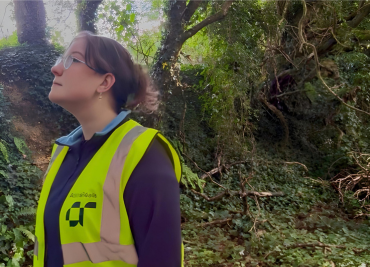
From a grandmother's garden to Ireland's fields: Katie's story
Meet Katie, and read how her love of plants led to a career surveying habitats, butterflies and wildlife across Ireland.
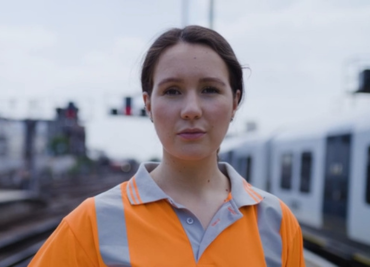
AtkinsRéalis UK early careers
Your future starts here. At AtkinsRéalis, you'll work on projects that shape communities, drive innovation and create a better world. Whether you're interested in graduate, placement or apprenticeship opportunities here you’ll discover how you can make a meaningful impact from day one.
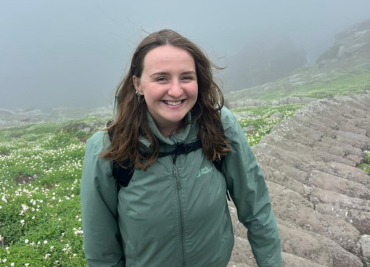
Protecting Ireland's biodiversity, one project at a time: Caroline's story
Meet Caroline, and read how she's grown from graduate to project lead while protecting biodiversity across Ireland.
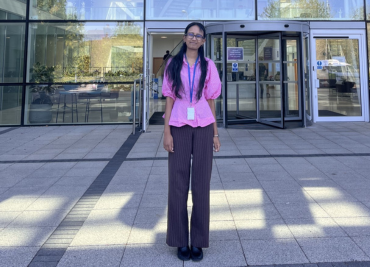
From university to industry: my Placement journey at AtkinsRéalis
What It's really like to complete a placement at AtkinsRéalis.
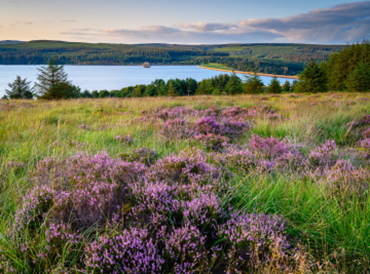
From the largest lake in Northern Europe to the future of the UK's water: inside our AMP8 work with Yorkshire Water
AtkinsRéalis is helping shape the future of the UK's water infrastructure through Yorkshire Water's AMP8 programme, delivering projects that strengthen water security, improve resilience, and support sustainable growth. From exploring the transfer of water from Kielder Water across regions to developing innovative new water resources, our teams are tackling complex challenges that will have a lasting impact for generations to come.
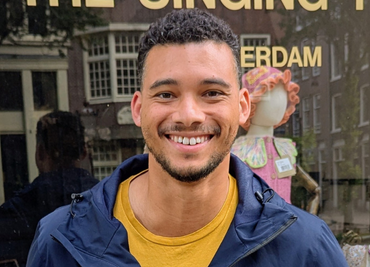
How I build confidence into complex projects
Meet Aston, Regional Director in AtkinsRéalis’ Estimating & Cost Advisory team, as he shares how he helps clients build confidence in complex infrastructure projects while supporting the growth of future talent.
Related jobs
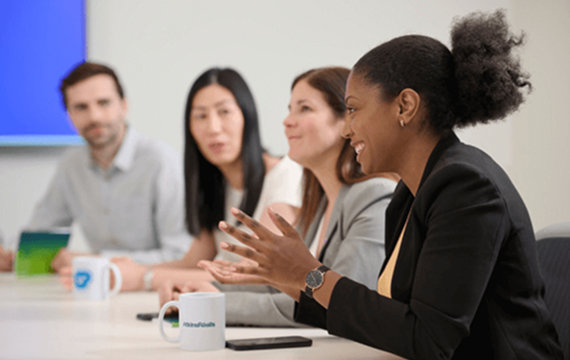
Everyone belongs
We empower each individual to shine and contribute to our collective impact. We believe in the power of unique perspectives. It’s how we’re engineering a better future every single day.