

Let’s find your next opportunity
AI Assistant: {{ chat.assistant.message }}
{{meta?.totalCount}}
results found
Sort By
{{ job.job_posting_title
}}
{{ job.job_posting_title }}
{{ job.is_cms_job ? (job.cities.split(';').length > 1 ? 'Various locations' : job.location_mappings[0]) : (job.location_mappings.length > 1 ? 'Various locations' : job.location_mappings[0]) }}
{{ job.time_type }}

We are sorry there are no jobs that match your exact criteria. Try a new search term, or use the filters to continue browsing for available opportunities.
Suggested roles matches
{{ job.title }}
{{ job.title }}
{{ [job.cities[0], job.regions[0], job.countries[0]].join(', ') }}
Various locations
We are sorry there are no jobs that match your exact criteria. Try a new search term, or use the filters to continue browsing for available opportunities.
Let’s find your next opportunity
{{ job.job_posting_title
}}
{{ job.job_posting_title }}
{{ job.is_cms_job ? (job.cities.split(';').length > 1 ? 'Various locations' : job.location_mappings[0]) : (job.location_mappings.length > 1 ? 'Various locations' : job.location_mappings[0]) }}
Jessica is a Graduate Environmental Consultant at AtkinsRéalis, based in Birmingham. She works in the Environmental Assessment and Management team, part of our Planning, Environmental Consenting and Communities (PECC) business, and is currently seconded full time into an Alliance delivering a major rail programme, coordinating environmental and EIA input alongside the design, planning and engagement teams.
As a graduate it’s been a great learning opportunity. I’ve been able to work alongside people with experience delivering major infrastructure projects, and learn from colleagues with different technical backgrounds and ways of working. One thing I learned in the first few weeks was that it takes time to find your place within an Alliance. You’re meeting a lot of new people and learning how different organisations work together.”
“It takes time to find your place within an Alliance.”
I’ve also worked across different sectors: rail, water, highways, defence and renewable energy. Some highlights have been preparing an EIA screening report for Kenwith Dam, producing environmental constraints mapping for Yorkshire Water Alliance projects, and contributing to planning and environmental appraisals for local infrastructure schemes.”
I’ve seen how ecological surveys can affect construction planning, how heritage assessments help protect historic assets, and how engagement with stakeholders can address community concerns and improve the project.”
“Pigeons are common in urban environments, but an active nest is protected.”
We talked through some of the proposals and I explained how the consultation process works, how feedback from passengers and local communities is collected and reviewed. I was honest that I couldn’t promise any specific changes, but comments like his play a real part in helping the team understand what matters most to the people who’ll use the scheme. Since then, consultation feedback has helped inform further design studies.”
If this sounds like the kind of start you want, we’re recruiting graduate environmental consultants across our Environment and PECC teams. Explore our open roles.
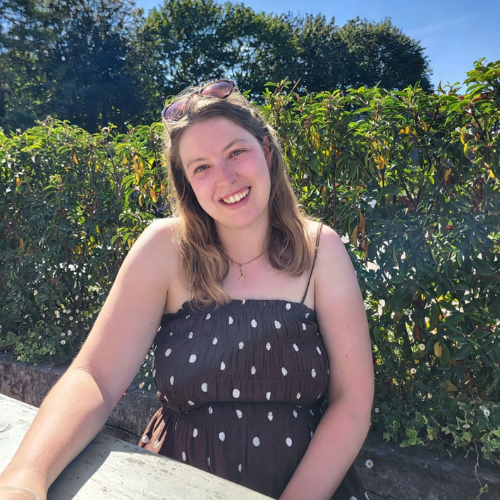
What’s it actually like being seconded into an Alliance?
“One of the biggest differences I noticed was how involved I’ve become in the day‑to‑day development of the project. Rather than providing environmental support at specific stages, I’m part of the core project team and see decisions being made as they happen. It’s also more collaborative. People from different companies and disciplines work together towards the same goal, which means questions can often be answered much more quickly.As a graduate it’s been a great learning opportunity. I’ve been able to work alongside people with experience delivering major infrastructure projects, and learn from colleagues with different technical backgrounds and ways of working. One thing I learned in the first few weeks was that it takes time to find your place within an Alliance. You’re meeting a lot of new people and learning how different organisations work together.”
“It takes time to find your place within an Alliance.”
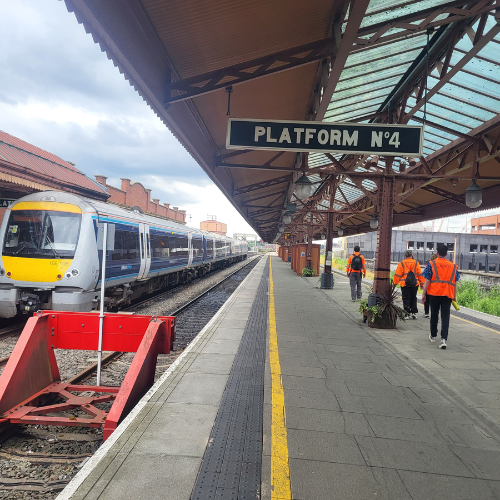
What does a week look like?
“I support environmental assessments and help coordinate environmental inputs, mainly in the rail sector. That involves reviewing ecological, heritage and water environment constraints, contributing to environmental assessments and EIA screening, and looking for opportunities to reduce carbon, improve environmental outcomes and build in social value.I’ve also worked across different sectors: rail, water, highways, defence and renewable energy. Some highlights have been preparing an EIA screening report for Kenwith Dam, producing environmental constraints mapping for Yorkshire Water Alliance projects, and contributing to planning and environmental appraisals for local infrastructure schemes.”
Who do you work alongside?
“Depending on the project: ecologists, landscape architects, heritage consultants, transport planners, stakeholder engagement teams, air quality and noise specialists, hydrologists and arboricultural consultants.I’ve seen how ecological surveys can affect construction planning, how heritage assessments help protect historic assets, and how engagement with stakeholders can address community concerns and improve the project.”
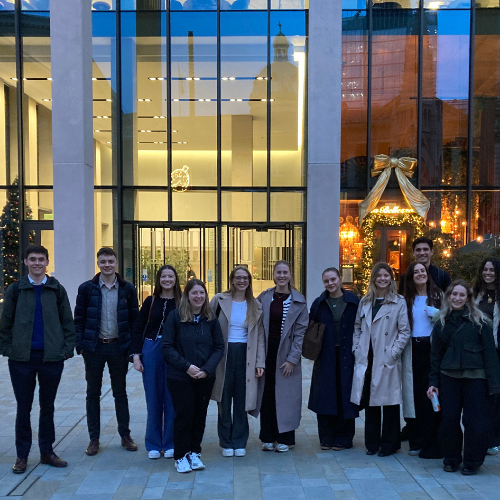
What’s one part of this that people outside the team never see?
“Surveys identified pigeon nests within part of the station infrastructure. Pigeons are common in urban environments, but an active nest is protected, which means the survey findings have to be taken into account when the works are planned.”“Pigeons are common in urban environments, but an active nest is protected.”
Does what people say at a consultation event actually change anything?
“One conversation has stayed with me. A wheelchair user came over to our information stand and wanted to understand how accessibility was being considered in the designs. He told me step‑free access was one of the most important things for him when travelling, and asked whether new station facilities would be designed with disabled passengers in mind.We talked through some of the proposals and I explained how the consultation process works, how feedback from passengers and local communities is collected and reviewed. I was honest that I couldn’t promise any specific changes, but comments like his play a real part in helping the team understand what matters most to the people who’ll use the scheme. Since then, consultation feedback has helped inform further design studies.”
If this sounds like the kind of start you want, we’re recruiting graduate environmental consultants across our Environment and PECC teams. Explore our open roles.
Related blogs

Learning architecture on site and in the studio
Meet Rithik, an Architectural Assistant balancing live projects with his MArch apprenticeship.

Finding your path: growing, belonging and thriving at AtkinsRéalis
Starting a career can feel uncertain, especially when it’s unclear where it might lead. This blog explores how AtkinsRéalis helps early career professionals discover new opportunities, build confidence, and grow in an environment where individuality and collaboration are valued.

What to expect on our Health and Safety Graduate Scheme
You might not have considered a role in health and safety, we're here to expand on why you might want to!
Related jobs
Talent Community
Would you like to know more? Not ready to apply? Join our talent community to stay connected and engaged with us at AtkinsRéalis.