

Let’s find your next opportunity
AI Assistant: {{ chat.assistant.message }}
{{meta?.totalCount}}
results found
Sort By
{{ job.job_posting_title
}}
{{ job.job_posting_title }}
{{ job.is_cms_job ? (job.cities.split(';').length > 1 ? 'Various locations' : job.location_mappings[0]) : (job.location_mappings.length > 1 ? 'Various locations' : job.location_mappings[0]) }}
{{ job.time_type }}

We are sorry there are no jobs that match your exact criteria. Try a new search term, or use the filters to continue browsing for available opportunities.
Suggested roles matches
{{ job.title }}
{{ job.title }}
{{ [job.cities[0], job.regions[0], job.countries[0]].join(', ') }}
Various locations
We are sorry there are no jobs that match your exact criteria. Try a new search term, or use the filters to continue browsing for available opportunities.
Let’s find your next opportunity
{{ job.job_posting_title
}}
{{ job.job_posting_title }}
{{ job.is_cms_job ? (job.cities.split(';').length > 1 ? 'Various locations' : job.location_mappings[0]) : (job.location_mappings.length > 1 ? 'Various locations' : job.location_mappings[0]) }}
If you’re considering a career in water engineering (or you’re already working in the sector and wondering what else is out there) the short answer is: more than most people expect.
Water engineering covers everything from designing how water gets from a reservoir to your tap, to modelling what happens to a river catchment during a flood, to figuring out how to remove emerging pollutants from wastewater before it’s discharged. It’s technical, varied, and increasingly shaped by climate change, regulation and new technology.
Here’s what the day-to-day actually looks like.
No two weeks are the same
One of the things that surprises people about water engineering is how much the work changes. In any given month, you might move between hydraulic modelling, site visits, data analysis, coding, report writing, stakeholder workshops and client presentations. The mix depends on your specialism and your seniority, but the variety is a consistent thread.
“Within three months, I’ve had opportunities to do a much wider variety of things than I had in five years at another big consultancy.”
- Recent hire, water practice
At AtkinsRéalis, our water engineers work across flood risk, water resources, water quality, wastewater, coastal management, environmental assessment and hydrogeology. Some specialise deeply in one area. Others work across several. The five-year AMP funding cycles in the water industry mean projects tend to be shorter than in sectors like nuclear or rail, so you naturally build breadth over time.
The technical toolkit
Water engineering is increasingly digital. Depending on your specialism, you might be working with hydraulic modelling software like Infoworks ICM, Flood Modeller or TUFLOW. You might be building regional groundwater models in MODFLOW. You might be using GIS to map catchment characteristics, or coding in Python to automate data processing and analysis.
Some of the tools are proprietary. At AtkinsRéalis, our teams have built NFM Studio for natural flood management decision support and River Studio for river restoration modelling- tools that have no equivalent at other consultancies. Others, like the Source Apportionment GIS (SAGIS) water quality model, are used across the entire UK water industry.
But it’s not all screen-based. Depending on your role, you could be out on-site conducting river surveys, assessing geomorphology, running pumping tests at boreholes, or inspecting coastal defences. The balance between desk and field varies, but most water engineers get both.
The types of projects
The range is genuinely broad. In the UK right now, water engineers are working on:
Water resources: Strategic supply planning, reservoir design (the first new UK reservoirs in 30 years are currently in development), desalination feasibility, water recycling, drought planning and long-distance water transfers.
Flood risk: Modelling flood scenarios for development sites, designing flood alleviation schemes, natural flood management, climate adaptation strategies and coastal defence.
Water quality and wastewater: Assessing pollution sources, developing regulatory submissions, designing treatment processes, modelling the impact of combined sewer overflows and working with regulators on emerging contaminants.
Environmental assessment: EIA for major infrastructure, hydro morphological assessment of rivers and watercourses, ecological surveys and restoration design.
Planning and consenting: Leading complex infrastructure programmes through the planning system, managing EIA processes and developing consenting strategies for major water schemes.
Who you work with
Water engineering is rarely a solo discipline. On a single project, you might be working alongside environmental chemists, ecologists, sewer network modellers, geotechnical engineers, project managers and planners. One of our environmental scientists describes this as a “tapestry of expertise” - the range of disciplines that come together on a water project is wider than most people realise from the outside.
“You have the benefits of a much bigger pool of people, but you don’t feel lost. You feel like you’re part of a smaller team, but with access to a much bigger pool of expertise across the world.”
Vera, Technical Director – Water Quality
Where the career goes
Early in your career, you’ll build depth in your technical specialism- getting competent in the tools, the methods and the regulatory framework. As you gain experience, the breadth opens up. You might move into team leadership, client management, business development, research, regulation or programme delivery. Some people stay deeply technical. Others move towards commercial or strategic roles. The AMP cycle structure means senior water engineers typically have broad portfolios- they’ve worked across multiple clients, catchments and project types by the time they’re leading teams.
“Your career here is what you make of it.”
- Water engineer, AtkinsRéalis
If water engineering sounds like the kind of work you want to be doing, take a look at our current water roles or join our talent network to hear about opportunities as they come up.
Related blogs

Building a career through opportunity at AtkinsRéalis
Explore how networking, volunteering and embracing new opportunities helped shape a successful early career journey at AtkinsRéalis.
AtkinsRéalis UK early careers
Your future starts here. At AtkinsRéalis, you'll work on projects that shape communities, drive innovation and create a better world. Whether you're interested in graduate, placement or apprenticeship opportunities here you’ll discover how you can make a meaningful impact from day one.
From university to industry: my Placement journey at AtkinsRéalis
What It's really like to complete a placement at AtkinsRéalis.
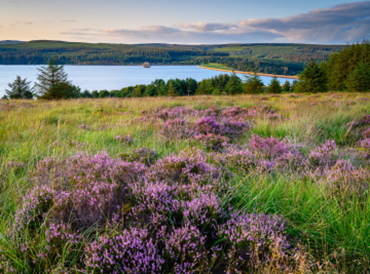
From the largest lake in Northern Europe to the future of the UK's water: inside our AMP8 work with Yorkshire Water
AtkinsRéalis is helping shape the future of the UK's water infrastructure through Yorkshire Water's AMP8 programme, delivering projects that strengthen water security, improve resilience, and support sustainable growth. From exploring the transfer of water from Kielder Water across regions to developing innovative new water resources, our teams are tackling complex challenges that will have a lasting impact for generations to come.
How I build confidence into complex projects
Meet Aston, Regional Director in AtkinsRéalis’ Estimating & Cost Advisory team, as he shares how he helps clients build confidence in complex infrastructure projects while supporting the growth of future talent.

Risk management careers: building confidence, skills and client relationships
From graduate hire to risk manager, discover how Eleanor has grown her career at AtkinsRéalis while helping clients navigate uncertainty and deliver major projects.
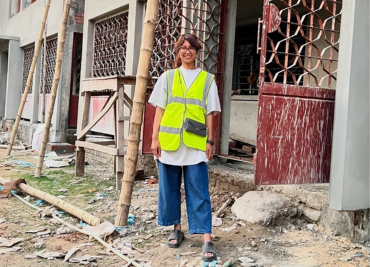
Shely on climate-resilient design, village upskilling, and remote project delivery
From family favour to climate-smart homes, read how Shely brought sustainable design to life across continents.
AtkinsRéalis named in The Times Top 50 Employers for Gender Equality 2026
Fourth year running, independently assessed. See what’s actually changed in how we hire, develop and support our people.
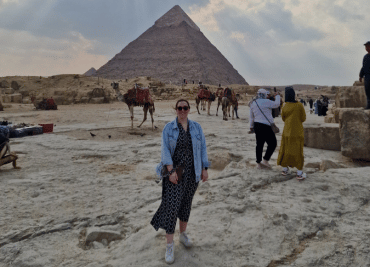
Sam on turning climate science into practical decisions
Meet Sam, a Principal Climate Adaptation Consultant helping clients navigate climate risk with confidence.
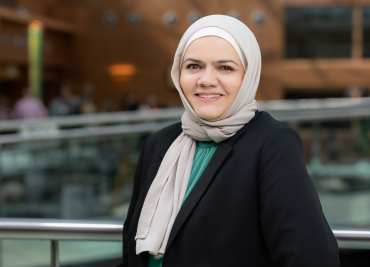
Shaping sustainable impact at scale with Mania
Meet Mania, a sustainability leader turning bold ambitions into infrastructure that delivers lasting value for people, communities, and the environment.
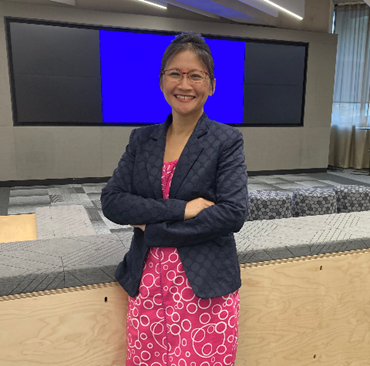
It's a great time to build your career in Water
As Water Sector Lead at AtkinsRéalis, Mei leads projects focused on water resilience, environmental improvement and major water infrastructure programmes. Her work supports sustainable water management and long-term climate resilience.
AtkinsRéalis named among the 50 GREAT British Employers of Veterans
Proven commitment to those who’ve served, see how AtkinsRéalis supports Armed Forces talent beyond words.
Related jobs

Everyone belongs
We empower each individual to shine and contribute to our collective impact. We believe in the power of unique perspectives. It’s how we’re engineering a better future every single day.