

Let’s find your next opportunity
AI Assistant: {{ chat.assistant.message }}
{{meta?.totalCount}}
results found
Sort By
{{ job.job_posting_title
}}
{{ job.job_posting_title }}
{{ job.is_cms_job ? (job.cities.split(';').length > 1 ? 'Various locations' : job.location_mappings[0]) : (job.location_mappings.length > 1 ? 'Various locations' : job.location_mappings[0]) }}
{{ job.time_type }}

We are sorry there are no jobs that match your exact criteria. Try a new search term, or use the filters to continue browsing for available opportunities.
Suggested roles matches
{{ job.title }}
{{ job.title }}
{{ [job.cities[0], job.regions[0], job.countries[0]].join(', ') }}
Various locations
We are sorry there are no jobs that match your exact criteria. Try a new search term, or use the filters to continue browsing for available opportunities.
Let’s find your next opportunity
{{ job.job_posting_title
}}
{{ job.job_posting_title }}
{{ job.is_cms_job ? (job.cities.split(';').length > 1 ? 'Various locations' : job.location_mappings[0]) : (job.location_mappings.length > 1 ? 'Various locations' : job.location_mappings[0]) }}
At AtkinsRéalis, we believe that a truly inclusive workplace is one where every individual has the support and resources they need to thrive. Building this environment requires listening to and learning from the experiences of our employees.
We recently spoke with Molly Yeung, a Filing Clerk who joined our team in July, to hear her perspective on accessibility. Molly is responsible for maintaining document registers and handling correspondence for various projects. With a background in Translation and an interest in project management, she brings a valuable and unique viewpoint to our discussions on creating an accessible workplace for all.

What is an accessible workplace?
For Molly, accessibility is about being able to access locations and resources without obstacles. Professionally, it means being assigned tasks that suit one's physical condition, allowing for independence and minimizing the need for assistance. "An accessible workplace is knowing that you could go everywhere on your own without worrying," she explains. This includes practical considerations, like having enough space for walking aids or wheelchairs.
However, creating this environment requires moving beyond common misconceptions. One such misconception is that accessibility only benefits people with disabilities. "Accessible design benefits everyone," Molly points out. "For example, auto-doors are for everyone."
Another misunderstanding is assuming a space is accessible just because it's labeled as such. Factors like the weight of a door or the layout of a room are crucial. "A person needs to go to the place to practically see if it’s accessible or if any accommodation is needed, although the place is theoretically accessible," she advises.
Small adjustments, big impact
When Molly first started her role, she was concerned about tasks requiring physical strength, like carrying heavy documents. "As time went on, I realized that I can do part of the tasks on the laptop," she shares. Simple, thoughtful adjustments have made a significant difference in her work life.
Her colleagues place labels next to the printer so she can get them easily. She was given a chair without wheels, which makes it easier to stand up to get supplies like stamps and envelopes. Her team also collaborates seamlessly; after she packs documents, her colleagues carry the heavy boxes for sending out.
Company-wide policies also play a part. The option to work from home after a black rainstorm signal or typhoon No. 8 signal is cancelled allows her to work safely and avoid difficult travel conditions. These accommodations demonstrate how flexibility and proactive support can foster a truly inclusive environment.
How to be a better ally
Building an accessible workplace is a collective effort that relies on allyship and mutual respect. Molly offers some practical advice for colleagues:
- Respect privacy: Avoid asking personal questions about someone's disability out of curiosity unless they are willing to share.
- Communicate clearly: Avoid sarcasm, rude words, and implied messages that might suggest someone is incapable of a task.
- Offer help thoughtfully: Offer assistance when it's needed or asked for. "If a person with a disability can do something themselves, they may not ask, as seeking help also needs courage," Molly notes.
Ultimately, collaboration and focusing on abilities, not limitations, are key. "See what a person is good at instead of seeing what they can’t do," she urges.
A more inclusive future
Looking ahead, Molly envisions an ideal workplace where she can go to every corner of the workplace, go in and out, and get what I need without seeking help.
This can be achieved through thoughtful design, like incorporating more automatic doors and ramps, and embracing practices like going paperless, which is both sustainable and easier to manage.
For those hesitant to voice their accessibility needs, Molly offers encouragement. Speaking up can be difficult," she acknowledges, "but only by speaking up about your needs, can changes be possible in the future—smoother roads, lighter doors, better designs.
Build your career with us
At AtkinsRéalis, we are committed to building a workplace where broad talent can flourish. We believe that by fostering mutual understanding and focusing on each individual's strengths, we can create a more inclusive and innovative future together. Explore our career opportunities today and join the AtkinsRéalis team.
Related blogs
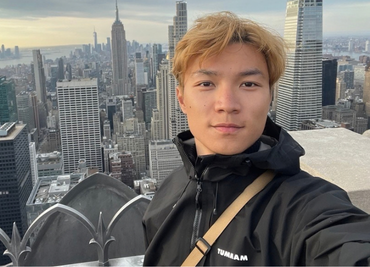
What Owen discovered in his first year at AtkinsRéalis
Discover how Owen's first year at AtkinsRéalis has shown him that engineering is more than calculations. It's about protecting communities, embracing innovation, and building meaningful connections.
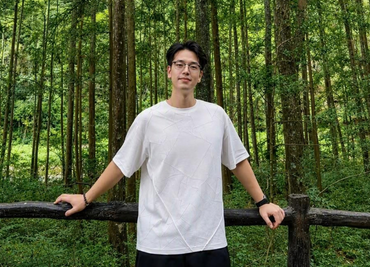
Helping shape the next generation of professionals: Shawn's journey at AtkinsRéalis
Discover how Shawn is growing as an engineer while helping shape the next generation of professionals through leadership, regional collaboration, and the Emerging Professionals Network at AtkinsRéalis.
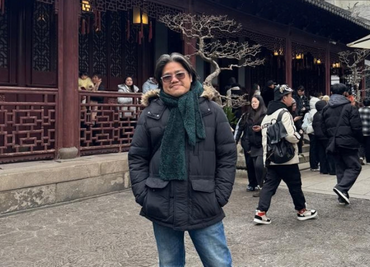
After 20 years in the industry, here's what matters most to Rasyad
After 20 years working across multiple sides of the industry, Rasyad shares the lessons that shaped his approach to leadership and collaboration.
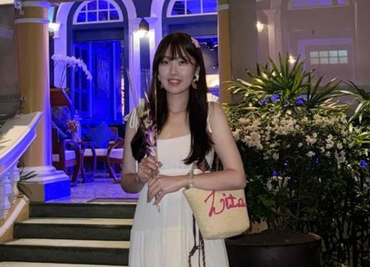
The person behind the experience: How Zita helps create moments that matter at AtkinsRéalis
Discover how Zita creates meaningful experiences, supports employee growth, and helps build a culture of connection at AtkinsRéalis
Happy mind, happy deliverables: Richard's approach to wellbeing and resilience
Discover Richard's perspective on mental wellbeing, resilience, and the power of conversation after more than 30 years living and working in Hong Kong.
Behind the scenes of security: Tyn’s story
Discover how Tyn helps protect people, support projects, and build resilience across AtkinsRéalis operations in Asia Pacific.
What surprised Derek most about his first months at AtkinsRéalis
Discover how Derek quickly moved from onboarding to meaningful project work, expanding his cybersecurity expertise while building connections and confidence at AtkinsRéalis.
She started as an intern. Now she’s helping shape the infrastructure people use every day!
Discover how Chloe turned an internship into a career, learning from experienced engineers while contributing to infrastructure that benefits communities.

From intern to shaping future communities: Oscar’s story
Discover how Oscar grew from intern to Assistant Landscape Designer, contributing to impactful projects while building his career at AtkinsRéalis.

Why great engineers need more than technical expertise: Meet Michael
How do you solve engineering's toughest challenges? Michael shares his perspective on leadership, collaboration, and the future of consulting.

Starting over, without starting from scratch - Jon's story
Discover how Jon’s return to AtkinsRéalis was shaped by collaboration, support, and the opportunity to contribute to projects across the Middle East from Hong Kong.

How do you know your work is making a difference? Meet Siu Hang
How do you know your work is making a difference? Meet Siu Hang and discover how data driven sustainability solutions can create measurable results.
Related jobs
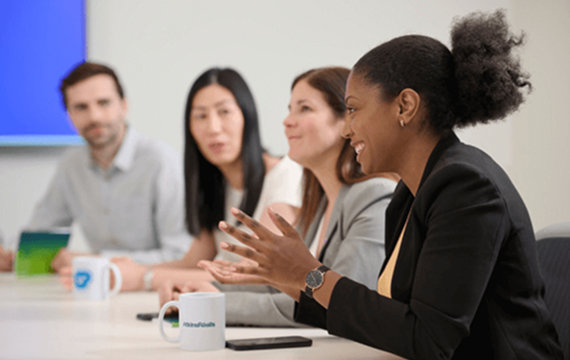
Everyone belongs
We empower each individual to shine and contribute to our collective impact. We believe in the power of unique perspectives. It’s how we’re engineering a better future every single day.