

Let’s find your next opportunity
AI Assistant: {{ chat.assistant.message }}
{{meta?.totalCount}}
results found
Sort By
{{ job.job_posting_title
}}
{{ job.job_posting_title }}
{{ job.is_cms_job ? (job.cities.split(';').length > 1 ? 'Various locations' : job.location_mappings[0]) : (job.location_mappings.length > 1 ? 'Various locations' : job.location_mappings[0]) }}
{{ job.time_type }}

We are sorry there are no jobs that match your exact criteria. Try a new search term, or use the filters to continue browsing for available opportunities.
Suggested roles matches
{{ job.title }}
{{ job.title }}
{{ [job.cities[0], job.regions[0], job.countries[0]].join(', ') }}
Various locations
We are sorry there are no jobs that match your exact criteria. Try a new search term, or use the filters to continue browsing for available opportunities.
Let’s find your next opportunity
{{ job.job_posting_title
}}
{{ job.job_posting_title }}
{{ job.is_cms_job ? (job.cities.split(';').length > 1 ? 'Various locations' : job.location_mappings[0]) : (job.location_mappings.length > 1 ? 'Various locations' : job.location_mappings[0]) }}
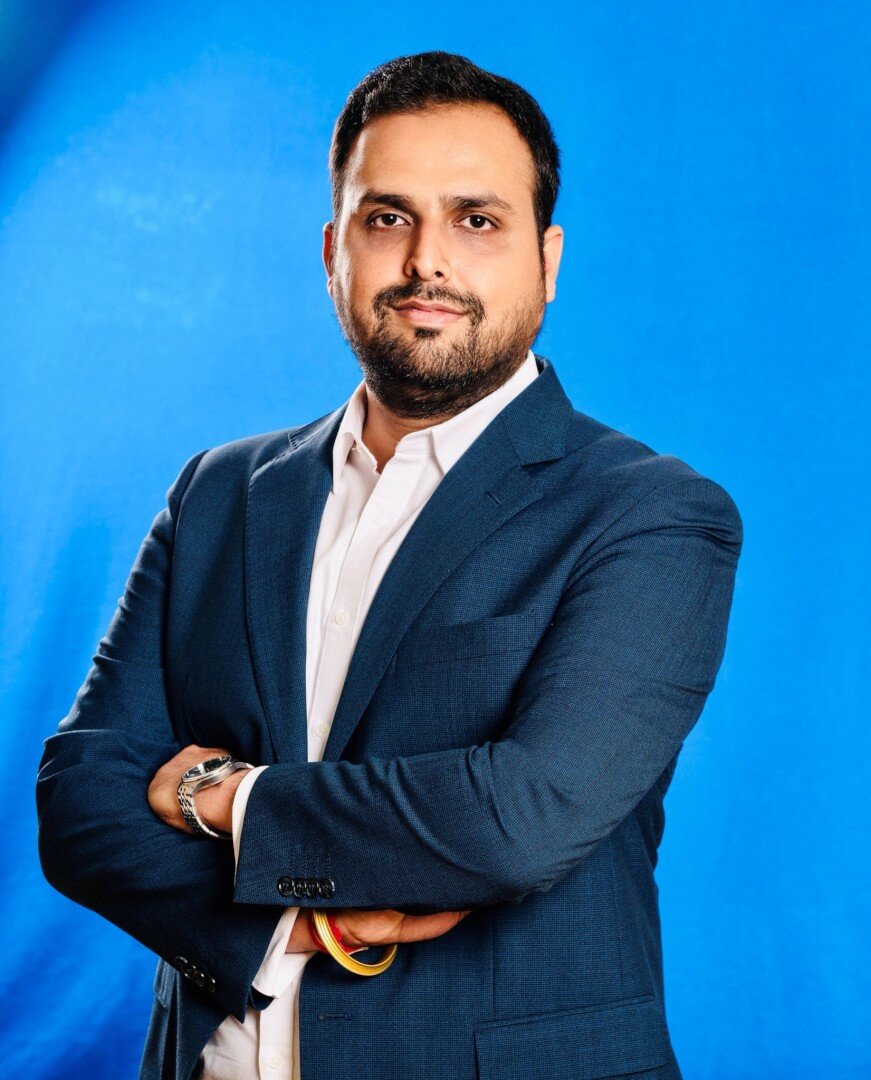
How can asset management professionals strike the perfect balance between groundbreaking innovation and time-tested traditions? This question has become increasingly pressing as the asset management industry grapples with seismic shifts in technology, heightened regulatory scrutiny, and a talent shortage that challenges its very foundation. Aditya Jha, a seasoned Senior Manager in Strategic Asset Management, shares his insights on how organisations can approach this balancing act with purpose and precision.
The evolving digital landscape and legacy systems
The intersection of legacy systems and cutting-edge innovation often presents a dilemma for asset managers. Legacy systems, while robust, are inherently limited by their siloed data structures, hindering organisations from gaining a holistic view of their operations. “Transforming these systems is both an art and a science,” Aditya explains.
The solution lies not in discarding legacy systems outright but in thoughtfully integrating them with modern analytics tools. By adopting AI-powered platforms that seamlessly unite disparate data sources, companies can achieve clarity and informed decision-making. The result? A more agile, responsive enterprise capable of addressing challenges in real time without losing the reliability and stability of proven systems.
Navigating regulatory scrutiny with compliance innovation
Heightened regulatory demands across regions are pushing compliance costs upward. Many organisations find themselves allocating substantial resources to meet these complex requirements. Aditya sees AI-driven compliance tools as a game-changer. “AI enables corporations to streamline their reporting processes, automate compliance efforts, and reduce human error,” he notes.
These tools not only ensure adherence to rigorous regional mandates but also bolster confidence and trust among stakeholders. “Compliance is no longer about ticking boxes," Aditya emphasises. "It’s about creating an ethical, transparent framework that aligns seamlessly with operational practices while fostering innovation."
Bridging the talent gap through holistic training
The shortage of skilled professionals in asset management poses yet another pressing challenge. According to Aditya, overcoming this talent gap calls for an active investment in comprehensive training programs. He underscores the importance of equipping professionals with both digital proficiency and strategic thinking.
Such training initiatives should focus on both technical expertise, such as navigating analytics tools, and soft skills like flexible problem-solving. “When we give professionals the tools to thrive in an evolving landscape, we future-proof not just individuals but entire organisations,” Aditya asserts.
Data silos and the pursuit of holistic decision-making
Eliminating data silos is paramount to achieving operational excellence in asset management. Integrating diverse data streams allows organisations to unlock deep insights that drive strategic decisions. “This is where analytics and AI shine,” Aditya observes. Platforms powered by artificial intelligence can process vast, complex datasets to reveal actionable patterns and trends.
But the benefits extend beyond efficiency. When corporations can take informed, evidence-based actions, they also create lasting value for stakeholders, optimising investments and operations alike.
Client-centric asset management
The demands of today’s clients are rapidly evolving, with personalised experiences topping the list of expectations. Advanced data analytics and AI provide asset managers with the tools to meet these expectations head-on. By leveraging client insights and patterns, organisations can craft bespoke investment strategies that align with individual needs.
Aditya shares, “It’s no longer enough to offer a one-size-fits-all approach. Clients want strategies that resonate with their unique goals and values. AI bridges that gap by simplifying complexity and enabling hyper-focused solutions.”
Why balance matters
Striking a balance between innovation and tradition is no easy feat, but the payoff is profound. Companies that successfully harmonise cutting-edge technology with time-tested practices will find themselves well-equipped to remain competitive and resilient in an unpredictable market.
Great leadership, Aditya adds, is at the heart of this balancing act. Leaders who prioritise adaptability, collaboration, and a clear vision will steer their asset management teams toward both strategic and operational excellence.
The asset management sector is at a crossroads. Professionals and organisations alike must challenge themselves to break free from traditional silos while also respecting the heritage and structure that has paved the way for today’s businesses.
For those looking to not just adapt but excel in this evolving field, Aditya has one piece of advice above all others: see change not as a challenge but as an opportunity. To take your expertise and career to new heights in the asset management landscape, join our team today.
Related blogs

Pride in our nature: helping shape a sustainable future in Saudi Arabia
From ambitious developments to greener communities, discover how our people are helping shape Saudi Arabia’s sustainable future.

Behind the scenes of project delivery: Mohamed’s journey at AtkinsRéalis
From paper files to digital systems, Mohamed’s career is a story of adapting to change while keeping projects moving.

Building more than infrastructure: Kiran's story of impact at AtkinsRéalis
For Kiran, engineering is about more than designing infrastructure. It is about solving challenges, learning from others, and creating value for communities.
FAQs: Jobs and careers at AtkinsRéalis
Looking for a job at AtkinsRéalis, or wondering what happens once you apply? These FAQs are here to help.

How Belal Deiranieh is shaping Middle East transportation.
Transportation is at the heart of the Middle East’s transformation. Discover how Belal Deiranieh will help drive the next phase of growth and connectivity at AtkinsRéalis.

International remote working
Want the flexibility to work outside your country of employment for up to 20 days a year? Explore our international remote working policy.

From a LinkedIn message to leading talent strategy across regions: Meet Doaa
Discover Doaa’s journey from design to strategic talent leadership. Read how she fast tracked her growth and built strong hiring practices across regions.
“Visibility changes perception”: Milena on leadership, confidence, and her journey from London to Dubai
Discover Milena’s path to becoming one of CIBSE’s youngest Fellows, read how visibility and representation shaped her leadership philosophy.

Building theme parks for everyone: Bahar’s vision for accessibility
Discover how AtkinsRéalis designs accessible theme parks at Six Flags Qiddiya.

Creating inclusive workspaces through physical accessibility
Learn practical strategies for building physically accessible workspaces that help all employees thrive, from sensory-friendly design to flexible communication.

Exploring new opportunities in NEOM
NEOM: ‘A new vision of what the future could be'. Find out more about the opportunities at NEOM and what it entails.
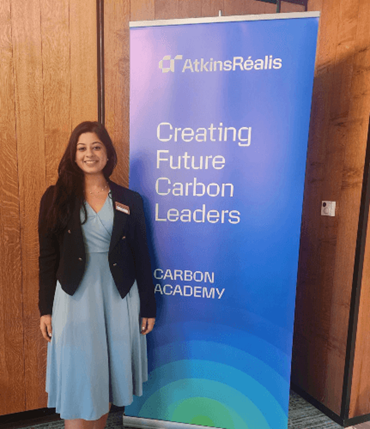
Sustainability L&D at AtkinsRéalis: Collaborating for Net Zero
I'm Tara, a Sustainability Consultant and Lead at AtkinsRéalis in the Middle East. At AtkinsRéalis, our Engineering Net Zero and Sustainability training program empowers colleagues around the world to expand our carbon expertise.
Related jobs

Everyone belongs
We empower each individual to shine and contribute to our collective impact. We believe in the power of unique perspectives. It’s how we’re engineering a better future every single day.